Understanding Bank Identification Numbers (BINs) and Their Impact on Businesses
With credit and debit cards now dominating consumer transactions, businesses must understand the essential details embedded in these cards, particularly Bank Identification Numbers (BINs).
But what exactly is a BIN number, and why is it important for merchants? This guide covers everything you need to know about BINs, including how they work, their benefits, and their role in fraud prevention.
What Is a Bank Identification Number (BIN)?
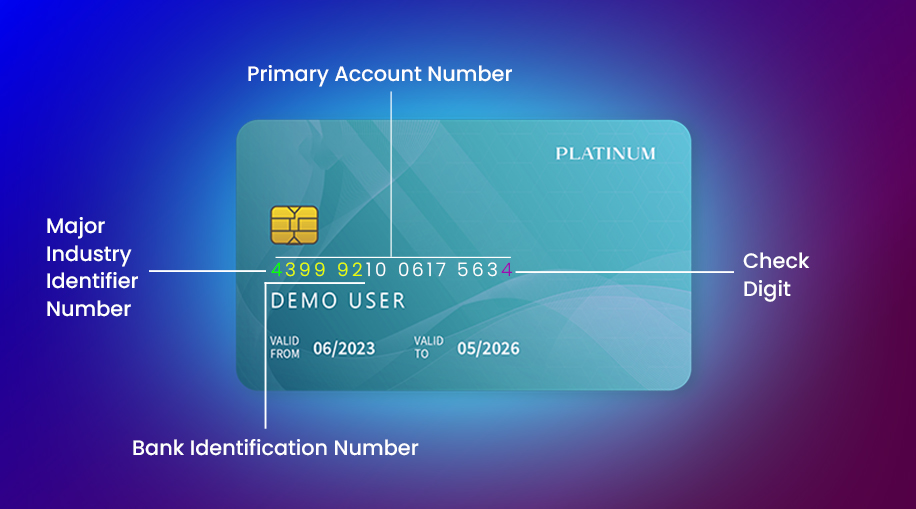
A Bank Identification Number (BIN) comprises the first four to six digits of a payment card number. These numbers help identify the issuing institution of credit, debit, charge, prepaid, and certain gift cards.
Often referred to as an Issuer Identification Number (IIN), a BIN provides key insights into a cardholder’s bank, allowing businesses to process payments efficiently and securely. The BIN system is standardized by the American National Standards Institute (ANSI) and the International Organization for Standardization (ISO).
Why Are BINs Important for Businesses?
BINs play a crucial role in payment processing, offering merchants valuable insights about a customer's card, including:
- Issuing bank name
- Bank contact details (address and phone number)
- Card network (Visa, MasterCard, American Express, Discover, etc.)
- Card type (debit, credit, prepaid, etc.)
- Card level (basic, platinum, black, business, etc.)
- Address verification details
- Country of issuance
By leveraging BIN data, businesses can enhance transaction security, reduce fraud, and streamline payment acceptance.
How Do BINs Work?
When a customer makes a purchase, the BIN system helps the card issuer validate the transaction by:
- Identifying the issuing bank
- Checking the cardholder’s account status
- Confirming sufficient funds or credit
- Approving or denying the transaction
This rapid verification process happens within a credit card processing system, ensuring smooth and secure transactions in-store and online.
BIN vs. Bank Identification Code (BIC)
Many confuse Bank Identification Numbers (BINs) with Bank Identification Codes (BICs).
- A BIC (also called a SWIFT code) is an 8 to 11-digit code used for international bank transfers.
- A BIN, on the other hand, identifies institutions that issue payment cards and helps merchants evaluate transaction security.
Key Benefits of Bank Identification Numbers (BINs)
For retailers and online merchants, using BINs offers several advantages:
1. Accept Multiple Payment Methods
BINs allow businesses to accept credit, debit, and prepaid cards from various issuers, expanding payment flexibility for customers.
2. Speed Up Transactions
By automating card verification, BINs enable faster checkouts, improving the customer experience and increasing daily transaction volume.
3. Enhance Fraud Prevention
BINs help detect fraudulent transactions by verifying:
- If the cardholder's billing address matches the registered bank details
- If the card's issuing country aligns with the merchant's location
- If a transaction shows suspicious patterns, such as repeated declines
4. Improve Compliance
Merchants handling international transactions must comply with financial regulations and export laws. BINs help ensure legal adherence by confirming payment legitimacy.
5. Optimize Marketing Strategies
Analyzing BIN data can reveal consumer spending habits, helping businesses tailor promotions. For example, if most customers use Visa, a company might offer Visa-specific discounts to drive sales.
6. Monitor Chargebacks
BINs assist in tracking chargeback trends, allowing businesses to spot problematic issuers and take proactive steps to reduce disputes.
Where to Find a BIN Number
A BIN number is located on the front or back of a payment card.
-
The first digit represents the card’s Major Industry Identifier (MII):
- 1-2: Airline & future industry cards
- 3: Travel & entertainment cards (e.g., American Express)
- 4-5: Financial institutions (e.g., Visa, MasterCard)
- 6: Merchandising & financial cards
- 7-9: Other sectors (e.g., gas, telecom, healthcare)
-
The first six digits collectively form the BIN, identifying the issuing institution.
Common BIN Examples:
- Visa: 4*****
- MasterCard: 51****, 45****
- American Express: 34****, 37****
- Discover: 6011, 622126-622925, 644-649, 65
- Diners Club: 36****
Protecting BINs from Fraud
Despite their security benefits, BINs can be exploited by fraudsters through techniques like BIN scamming and BIN cloning.
What Is BIN Scamming?
Scammers trick individuals into revealing BIN details by impersonating bank representatives. They may call victims, claim there is a security issue, and ask them to confirm their card number.
What Is BIN Cloning?
Criminals steal BIN data and duplicate payment cards, using them for unauthorized transactions. They extract card details through techniques like:
- Magnetic strip skimming
- Chip data cloning
How to Prevent BIN Fraud
Merchants should monitor transactions for red flags, including:
- Multiple small transactions from the same card type
- Repeated declines in a short period
- Unusual transaction volumes from a single location
Businesses can also use BIN checkers and address verification systems (AVS) to detect fraud before processing payments.
The Future of BINs
As digital payments evolve, BINs are expanding to accommodate more card types and brands. The transition from 6-digit to 8-digit BINs is already underway, allowing for more diverse financial services and better security measures.
For businesses, staying informed about BIN technology and fraud prevention is crucial for securing transactions and enhancing customer trust.
Final Thoughts
Understanding Bank Identification Numbers (BINs) can help businesses optimize payment processing, prevent fraud, and improve customer experience. As technology advances, merchants should leverage BIN data to stay competitive in the digital payment landscape.
Would you like to integrate a BIN lookup tool on your website? Let us know how we can help!
BIN Code 40207870 for debit VISA cards by BANKFIST
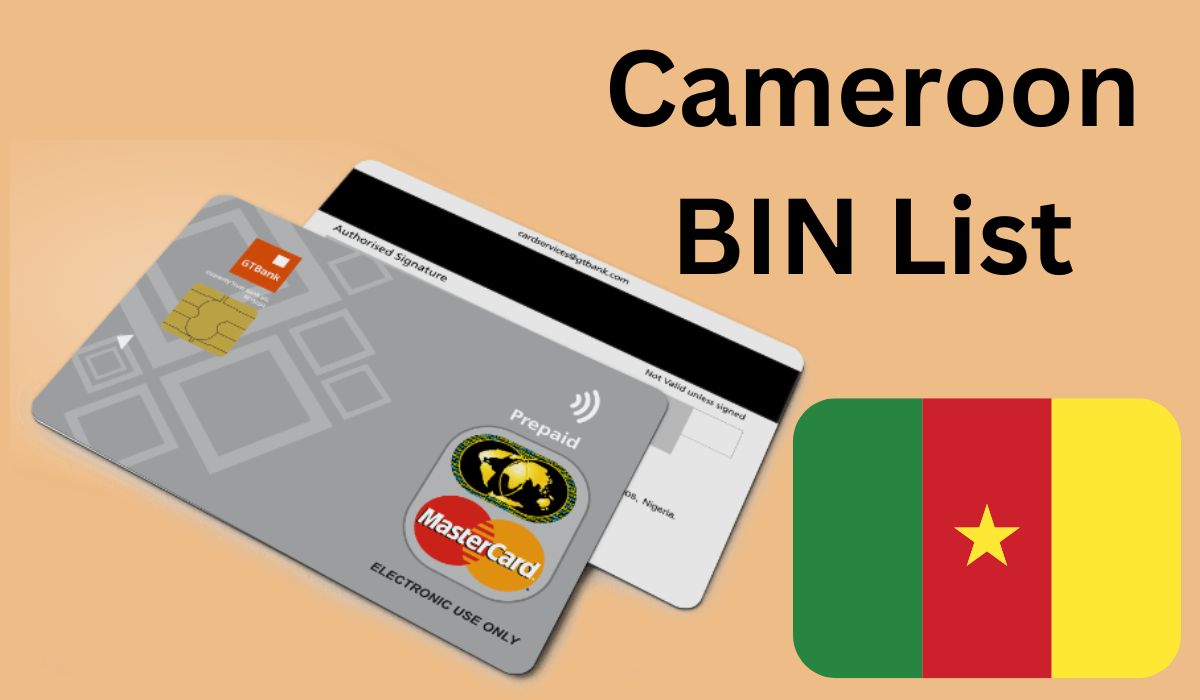
The BIN code 40207870 is of type debit card and it is an Issuer identification number for BANKFIRST. The issuing network for cards generated from this BIN is VISA.
 BIN code 40207870 Information BIN code 40207870 Information |
|
|---|---|
| BIN / IIN Code | 40207870 |
| Brand | Visa |
| Bank Name | Bankfirst |
| Card length | 16 |
| Web Site | www.bankfirst.com |
| Contact Phone | (308) 728-5886 OR (888) 371-8005 |
| Card Level | TRADITIONAL |
| Card Type | debit |
| Numeric | 120 |
| Country Code | 237 |
| Country Capital | Yaounde |
| ISO 3166 code | CM |
| Country | Cameroon |
| Currecny | Franc (XAF) |
What are BIN codes?
BIN codes, also known as issuer identification numbers (IINs), are the first six to eight digits of a credit or debit card number. They are used to identify the issuing bank or financial institution that issued the card. The first digit of the BIN code identifies the major industry identifier (MII), which indicates the type of card. For example, a 1 in the first digit indicates a credit card, while a 4 indicates a debit card. The next five or seven digits of the BIN code identify the issuing bank or financial institution.
BIN codes are used for a variety of purposes, including:
- Fraud prevention: BIN codes can be used to identify fraudulent transactions. For example, if a merchant receives a transaction from a card with a BIN code that is not assigned to a legitimate bank, the merchant can be alerted to the potential fraud.
- Transaction routing: BIN codes can be used to route transactions to the correct processing network. For example, a transaction with a BIN code that is assigned to Visa will be routed to the Visa processing network.
- Market research: BIN codes can be used to track the usage of different types of cards by different demographics. For example, a merchant can use BIN codes to track the number of credit cards that are used by young adults.
BIN codes are a valuable tool for businesses and organizations that process payments. They can help to prevent fraud, route transactions to the correct processing network, and track the usage of different types of cards.
Here are some examples of BIN codes for different types of cards:
- Visa: 4
- MasterCard: 5
- American Express: 34 or 37
- Discover: 6011 or 65
- JCB: 35
Details of the BIN Code 40207882
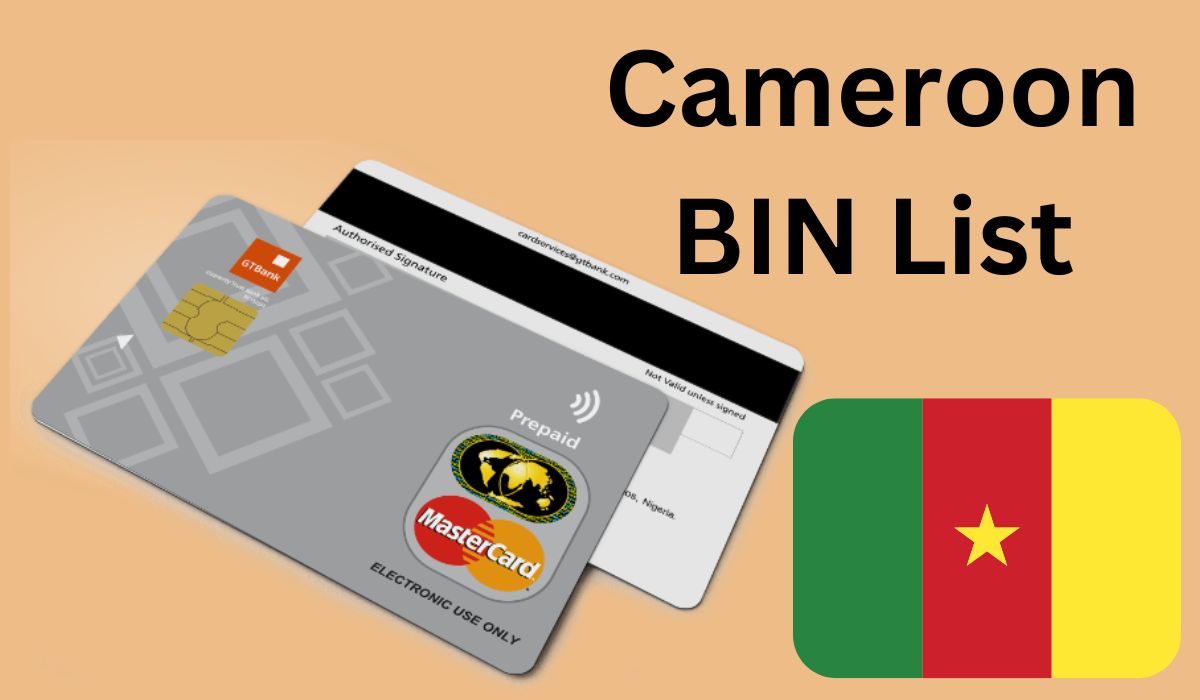
The BIN Code 40207882 is used by traditional debit credit cards in Cameroon. This BIN code is issued by VISA and it is the issuer identification number for BANKFIRST.
| BIN code 40207882 Information |
|
|---|---|
| BIN / IIN Code | 40207882 |
| Brand | Visa |
| Bank Name | Bankfirst |
| Card length | 16 |
| Web Site | www.bankfirst.com |
| Contact Phone | (308) 728-5886 OR (888) 371-8005 |
| Card Level | TRADITIONAL |
| Card Type | debit |
| Numeric | 120 |
| Country Code | 237 |
| Country Capital | Yaounde |
| ISO 3166 code | CM |
| Country | Cameroon |
| Currecny | Franc (XAF) |
What are BIN codes?
BIN codes, also known as issuer identification numbers (IINs), are the first six to eight digits of a credit or debit card number. They are used to identify the issuing bank or financial institution that issued the card. The first digit of the BIN code identifies the major industry identifier (MII), which indicates the type of card. For example, a 1 in the first digit indicates a credit card, while a 4 indicates a debit card. The next five or seven digits of the BIN code identify the issuing bank or financial institution.
BIN codes are used for a variety of purposes, including:
- Fraud prevention: BIN codes can be used to identify fraudulent transactions. For example, if a merchant receives a transaction from a card with a BIN code that is not assigned to a legitimate bank, the merchant can be alerted to potential fraud.
- Transaction routing: BIN codes can be used to route transactions to the correct processing network. For example, a transaction with a BIN code that is assigned to Visa will be routed to the Visa processing network.
- Market research: BIN codes can be used to track the usage of different types of cards by different demographics. For example, a merchant can use BIN codes to track the number of credit cards that are used by young adults.
BIN codes are a valuable tool for businesses and organizations that process payments. They can help to prevent fraud, route transactions to the correct processing network, and track the usage of different types of cards.
Here are some examples of BIN codes for different types of cards:
- Visa: 4
- MasterCard: 5
- American Express: 34 or 37
- Discover: 6011 or 65
- JCB: 35
BIN Code 40207884 for traditional debit VISA card
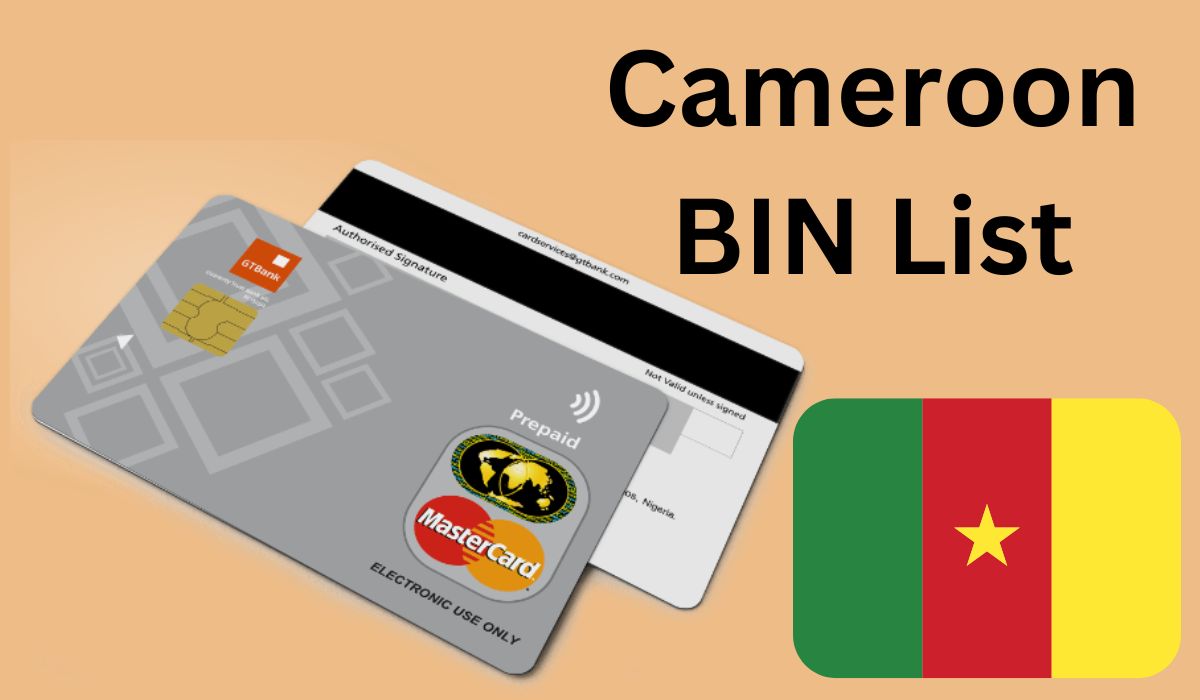
The BIN code 40207884 is for a credit card issued by VISA and is of type debit card. This is a traditional VISA debit card Issuer identification number for BANKFIRST Cameroon.
| BIN code 40207884 Information |
|
|---|---|
| BIN / IIN Code | 40207884 |
| Brand | Visa |
| Bank Name | Bankfirst |
| Card length | 16 |
| Web Site | www.bankfirst.com |
| Contact Phone | (308) 728-5886 OR (888) 371-8005 |
| Card Level | TRADITIONAL |
| Card Type | debit |
| Numeric | 120 |
| Country Code | 237 |
| Country Capital | Yaounde |
| ISO 3166 code | CM |
| Country | Cameroon |
| Currecny | Franc (XAF) |
What are BIN codes?
BIN codes, also known as issuer identification numbers (IINs), are the first six to eight digits of a credit or debit card number. They are used to identify the issuing bank or financial institution that issued the card. The first digit of the BIN code identifies the major industry identifier (MII), which indicates the type of card. For example, a 1 in the first digit indicates a credit card, while a 4 indicates a debit card. The next five or seven digits of the BIN code identify the issuing bank or financial institution.
BIN codes are used for a variety of purposes, including:
- Fraud prevention: BIN codes can be used to identify fraudulent transactions. For example, if a merchant receives a transaction from a card with a BIN code that is not assigned to a legitimate bank, the merchant can be alerted to potential fraud.
- Transaction routing: BIN codes can be used to route transactions to the correct processing network. For example, a transaction with a BIN code that is assigned to Visa will be routed to the Visa processing network.
- Market research: BIN codes can be used to track the usage of different types of cards by different demographics. For example, a merchant can use BIN codes to track the number of credit cards that are used by young adults.
BIN codes are a valuable tool for businesses and organizations that process payments. They can help to prevent fraud, route transactions to the correct processing network, and track the usage of different types of cards.
Here are some examples of BIN codes for different types of cards:
- Visa: 4
- MasterCard: 5
- American Express: 34 or 37
- Discover: 6011 or 65
- JCB: 35

BIN Code 40207879 for traditional VISA debit card n Cameroon
The BIN Code 40207879 is for a traditional VISA debit card n Cameroon. This BIN is an Issuer identification number for BANKFIRST. More details can be found below.
| BIN code 40207879 Information |
|
|---|---|
| BIN / IIN Code | 40207879 |
| Brand | Visa |
| Bank Name | Bankfirst |
| Card length | 16 |
| Web Site | www.bankfirst.com |
| Contact Phone | (308) 728-5886 OR (888) 371-8005 |
| Card Level | TRADITIONAL |
| Card Type | debit |
| Numeric | 120 |
| Country Code | 237 |
| Country Capital | Yaounde |
| ISO 3166 code | CM |
| Country | Cameroon |
| Currecny | Franc (XAF) |
What are BIN codes?
BIN codes, also known as issuer identification numbers (IINs), are the first six to eight digits of a credit or debit card number. They are used to identify the issuing bank or financial institution that issued the card. The first digit of the BIN code identifies the major industry identifier (MII), which indicates the type of card. For example, a 1 in the first digit indicates a credit card, while a 4 indicates a debit card. The next five or seven digits of the BIN code identify the issuing bank or financial institution.
BIN codes are used for a variety of purposes, including:
- Fraud prevention: BIN codes can be used to identify fraudulent transactions. For example, if a merchant receives a transaction from a card with a BIN code that is not assigned to a legitimate bank, the merchant can be alerted to the potential fraud.
- Transaction routing: BIN codes can be used to route transactions to the correct processing network. For example, a transaction with a BIN code that is assigned to Visa will be routed to the Visa processing network.
- Market research: BIN codes can be used to track the usage of different types of cards by different demographics. For example, a merchant can use BIN codes to track the number of credit cards that are used by young adults.
BIN codes are a valuable tool for businesses and organizations that process payments. They can help to prevent fraud, route transactions to the correct processing network, and track the usage of different types of cards.
Here are some examples of BIN codes for different types of cards:
- Visa: 4
- MasterCard: 5
- American Express: 34 or 37
- Discover: 6011 or 65
- JCB: 35
BIN Code 40207876 details
The BIN code 40207876 is one of the BIN codes for Banks in Cameroon. It is an Issuer identification number for BANKFIRST from the VISA Issuing network. The Card type is debit and the card level is TRADITIONAL.
| BIN code 40207876 Information |
|
|---|---|
| BIN / IIN Code | 40207876 |
| Brand | Visa |
| Bank Name | Bankfirst |
| Card length | 16 |
| Web Site | www.bankfirst.com |
| Contact Phone | (308) 728-5886 OR (888) 371-8005 |
| Card Level | TRADITIONAL |
| Card Type | debit |
| Numeric | 120 |
| Country Code | 237 |
| Country Capital | Yaounde |
| ISO 3166 code | CM |
| Country | Cameroon |
| Currecny | Franc (XAF) |
What are BIN codes?
BIN codes, also known as issuer identification numbers (IINs), are the first six to eight digits of a credit or debit card number. They are used to identify the issuing bank or financial institution that issued the card. The first digit of the BIN code identifies the major industry identifier (MII), which indicates the type of card. For example, a 1 in the first digit indicates a credit card, while a 4 indicates a debit card. The next five or seven digits of the BIN code identify the issuing bank or financial institution.
BIN codes are used for a variety of purposes, including:
- Fraud prevention: BIN codes can be used to identify fraudulent transactions. For example, if a merchant receives a transaction from a card with a BIN code that is not assigned to a legitimate bank, the merchant can be alerted to the potential fraud.
- Transaction routing: BIN codes can be used to route transactions to the correct processing network. For example, a transaction with a BIN code that is assigned to Visa will be routed to the Visa processing network.
- Market research: BIN codes can be used to track the usage of different types of cards by different demographics. For example, a merchant can use BIN codes to track the number of credit cards that are used by young adults.
BIN codes are a valuable tool for businesses and organizations that process payments. They can help to prevent fraud, route transactions to the correct processing network, and track the usage of different types of cards.
Here are some examples of BIN codes for different types of cards:
- Visa: 4
- MasterCard: 5
- American Express: 34 or 37
- Discover: 6011 or 65
- JCB: 35